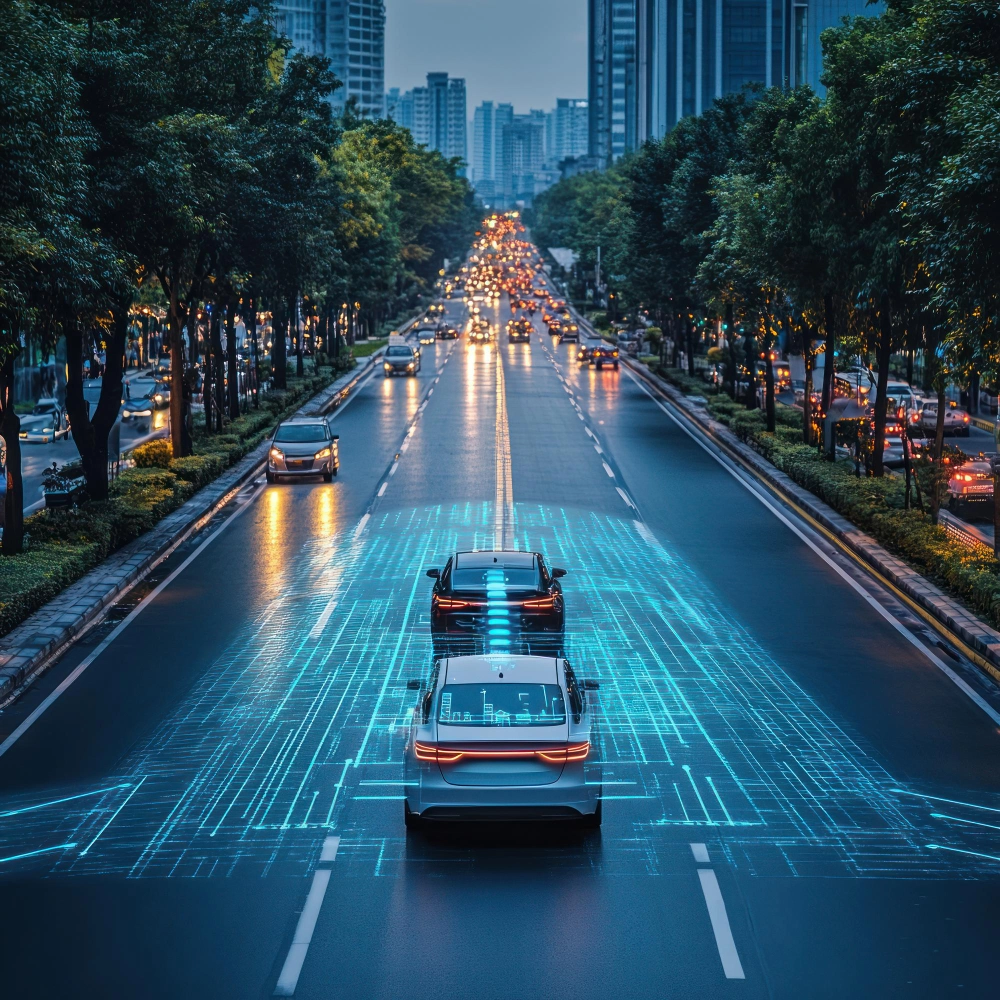
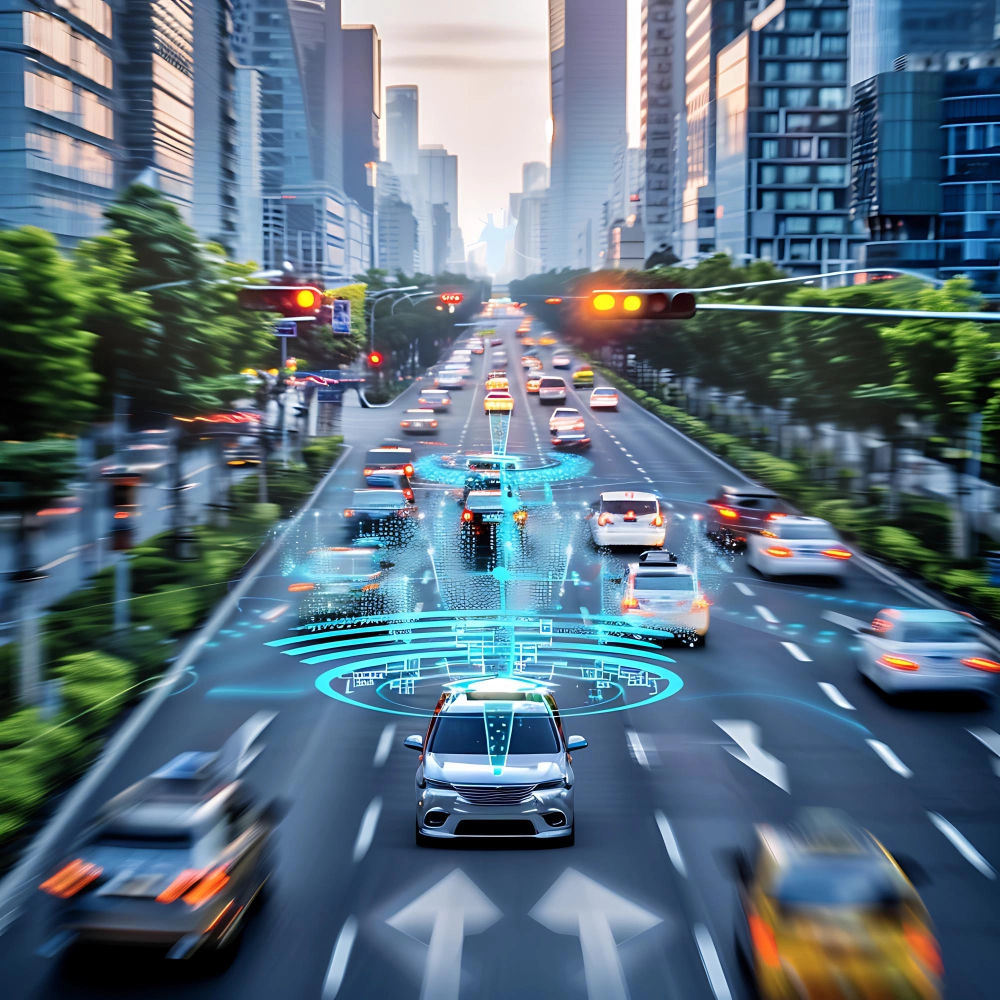
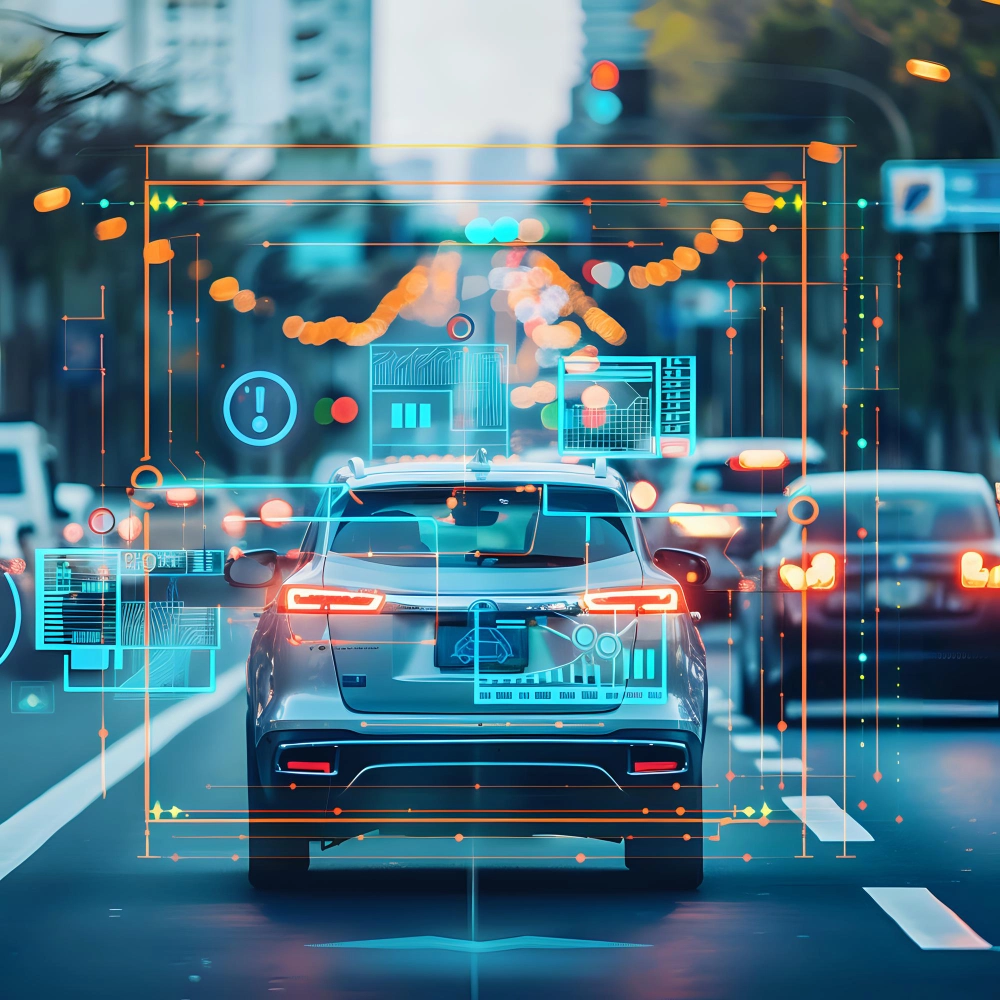
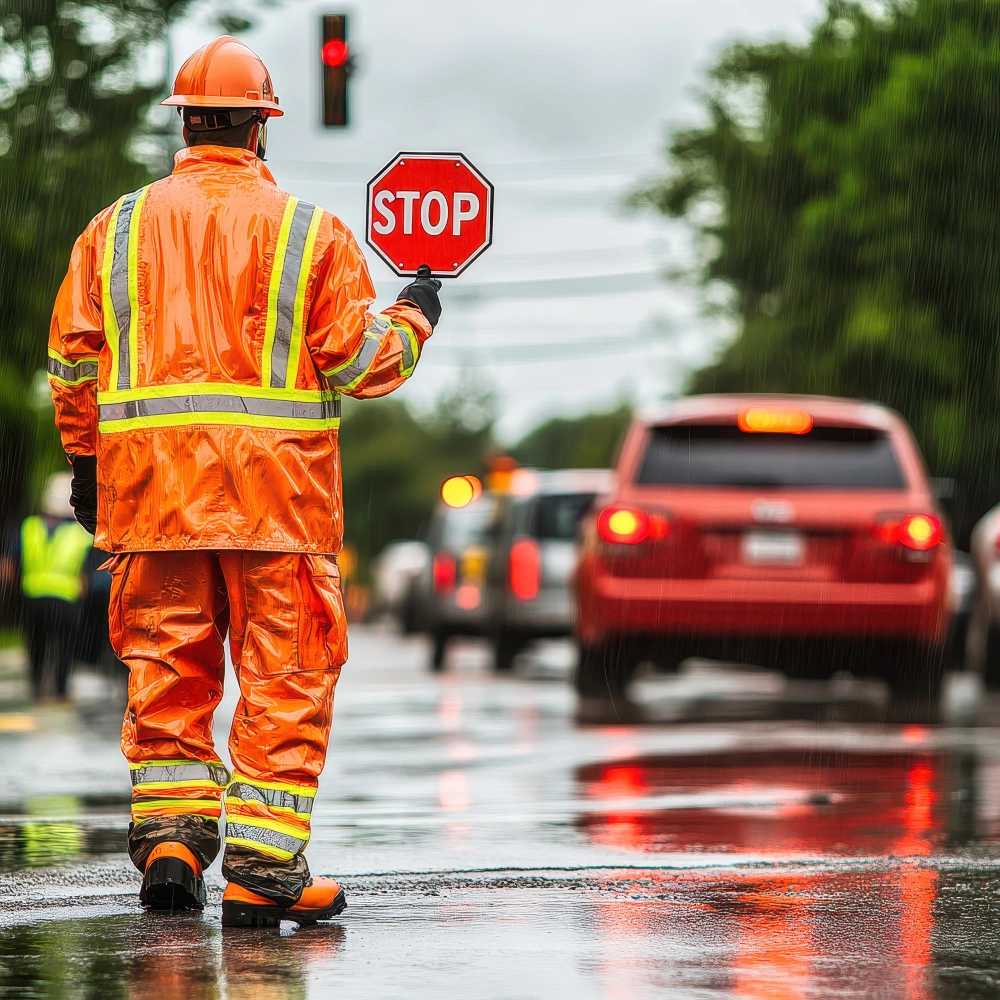
Effective traffic management today goes beyond managing signals and road signs. In high-density urban environments and during critical events such as bushfires, natural disasters, or large public gatherings, traffic becomes a safety issue — not just a mobility issue. Intelligent Traffic Management integrates AI, real-time monitoring, and predictive analytics to transform how cities and emergency services control movement.
By combining infrastructure data, live surveillance, and aerial intelligence, the system creates a centralized operational view that enables faster decisions and coordinated response.
At the core of modern traffic management is visibility. Without accurate, live information, authorities are forced to react late to congestion, accidents, or route failures.
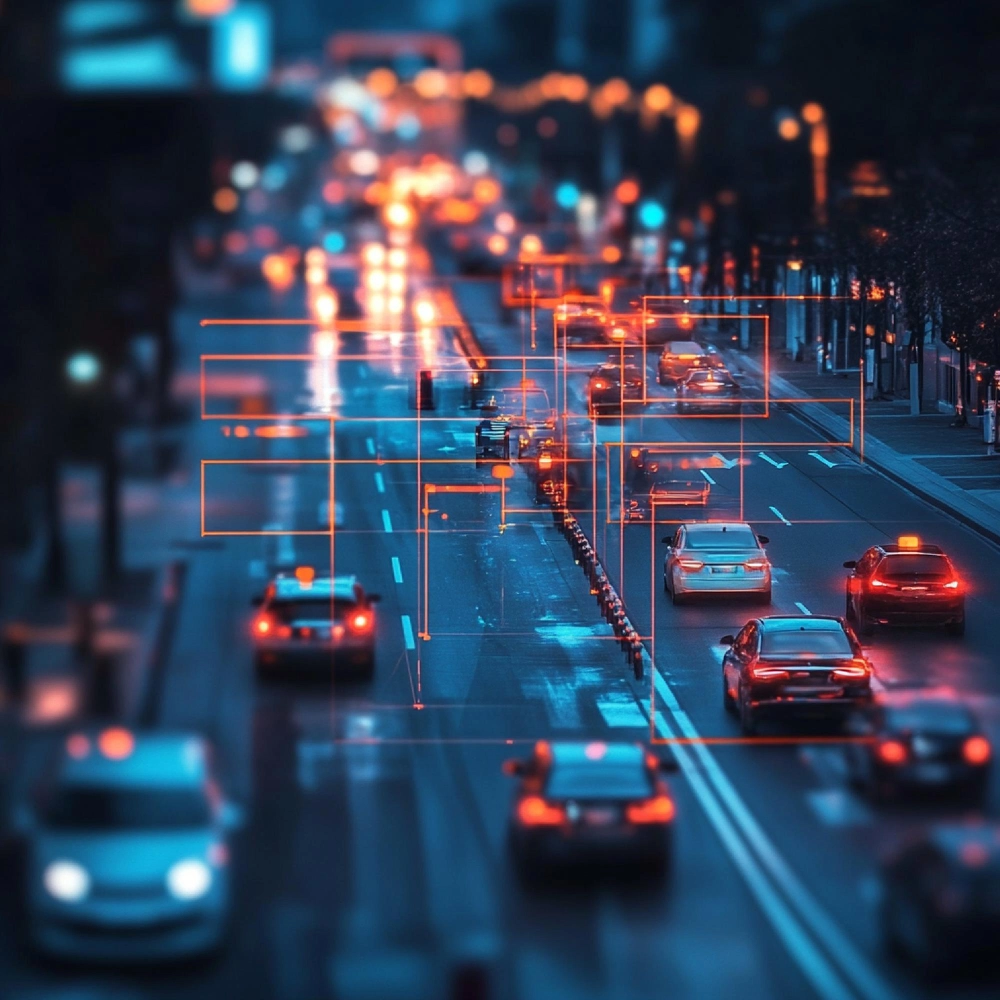
The platform continuously aggregates data from multiple sources and presents it in a unified dashboard environment. This enables operators to instantly understand road conditions across regions.
Key capabilities include:
Live traffic density and flow monitoring
Incident and obstruction detection
Real-time road closure visibility
Emergency vehicle tracking
This level of awareness ensures decision-makers operate with clarity rather than assumption.
AI-DrivenPredictiveTrafficModelling
Traffic patterns are dynamic and often influenced by weather, infrastructure strain, and public behavior. Rather than waiting for congestion to occur, AI models analyze historical and live data to anticipate disruptions.
Through predictive modelling, authorities can
Identify emerging congestion hotspots
Forecast evacuation bottlenecks
Simulate traffic movement during crisis scenarios
Estimate travel time variations
Predictive intelligence allows proactive control — minimizing risk before it escalates.
Emergency&EvacuationTrafficControl
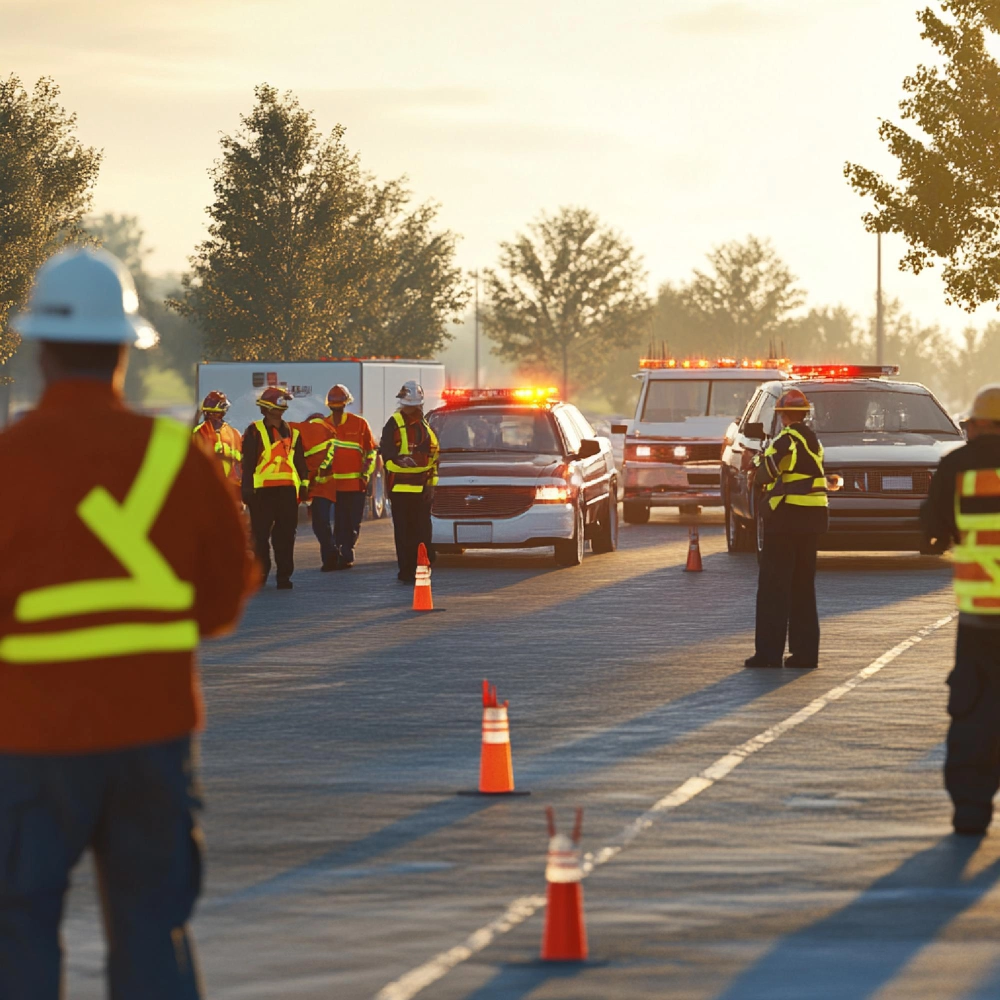
During bushfires or other disaster events, traffic management becomes mission-critical. Delays can directly impact evacuation safety and emergency response times.
The system supports coordinated evacuation and response by enabling:
Dynamic rerouting of traffic
Real-time signal timing adjustments
Priority corridors for emergency vehicles
Automated public route advisories
This ensures roads remain functional under extreme pressure and reduces the likelihood of gridlock during critical moments.
Drone-IntegratedTrafficMonitoring
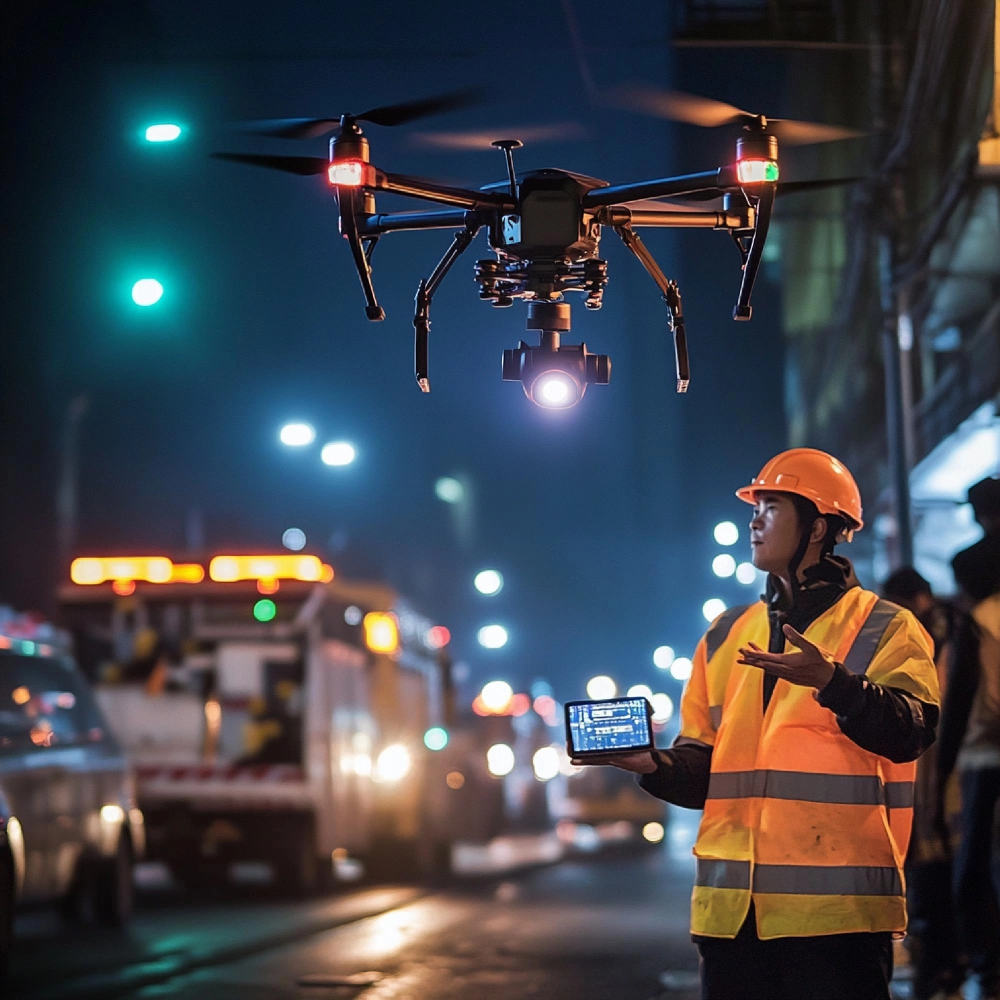
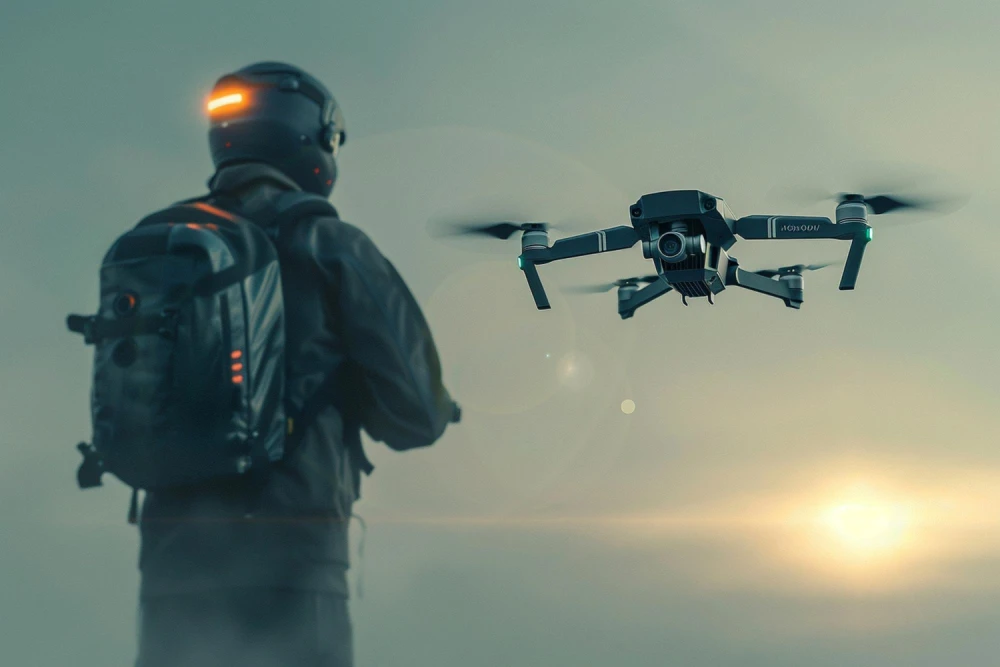
Aerial surveillance provides a strategic advantage during high-impact incidents. Ground cameras may be obstructed, but drones provide a clear, real-time bird’s-eye view of road networks and congestion zones.
This integrated approach strengthens response accuracy and operational speed.
Multi-AgencyCoordination
Traffic control during emergencies requires seamless collaboration between transport authorities, police, emergency services, and government agencies. Fragmented systems create delays and miscommunication.
The platform continuously aggregates data from multiple sources and presents it in a unified dashboard environment. This enables operators to instantly understand road conditions across regions.
The platform enables:
Shared operational dashboards
Secure inter-agency data exchange
Centralized command decision logs
Unified crisis coordination
This collaborative framework ensures faster and more organized responses.
Beyond efficiency, it strengthens city resilience and public safety.
EnablingSmarter,SaferMobility
Traffic is the circulatory system of a city. When managed intelligently, it improves economic productivity, environmental sustainability, and crisis readiness. When mismanaged, it can amplify risk and disruption.
By integrating AI, predictive modelling, real-time analytics, and aerial intelligence, Traffic Management Intelligence transforms complex road networks into adaptive, responsive systems capable of supporting both everyday operations and high-risk emergency scenarios.